
A new game named Rocketon has just launched, and it’s already gaining attention, especially here in Canada https://aviatorcasino.app/rocketon/. It blends straightforward fun with a unexpected level of strategic depth, centered on a simple but powerful idea: the excitement of venturing into the unknown. Let’s analyze what makes Rocketon tick and why it could very well be your next favorite game.
Guide to Rocketon’s Core Concept and Appeal
Rocketon understands its identity. The game is founded on the classic theme of discovery and climbing, providing you that genuine rush of launching upward and seeing how far you can go. The developers made sure you can jump right in without reading a manual. The controls are responsive right from the start, which implies you devote less time to understanding and more time actually playing. This intelligent layout suits a player wanting to relax for a short while or for a player aiming to climb the global ranks.
Visuals and audio count, and Rocketon does this correctly. The layout is tidy, the colors pop without being garish, and everything reacts immediately when you press a key or push a joystick. This polish isn’t just for show. It makes the game world feel solid and real, pulling you in and keeping every game seamless and centered on the gameplay.
More than anything, Rocketon connects with that fundamental gaming urge we all have: the urge to improve and track your development. Every time you gain access to a fresh motor or receive a vibrant new finish for your ship, it gives a sense of true success. The entire experience—the audio, the graphics, the how your vessel controls—enhances that vision of being a explorer, navigating a route through uncharted star systems.
Breaking down the Gameplay Mechanics
To really understand Rocketon, you must look at how it plays. The game is a web of interdependent elements that reward good timing, smart planning, and learning from your mistakes. Every action you take propels you a little ahead, and the game is excellent at providing you well-defined, fulfilling objectives to reach along the way.
The Main Interaction Loop

Rocketon’s main loop is a process of getting ready, taking action, and enjoying the rewards. Each run demands your full attention. You make a split-second call, and you see the effect right away. The game removes the boring elements to maintain you in that zone of meaningful choice. A bright burst, a climbing total, a unique sound element—all of it connects your actions directly to the game’s feedback, which is what makes makes you want to play ”just one more run.”
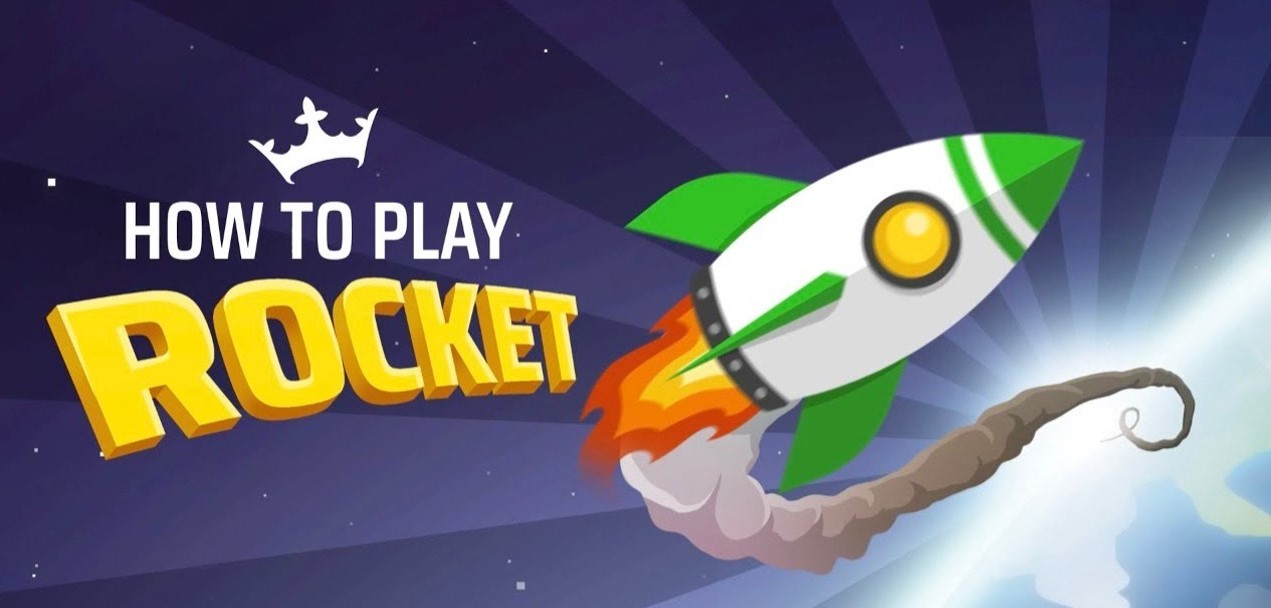
Here’s how a typical run may play out. You’re watching your fuel gauge as you thread through a cluster of floating asteroids. You perform a boost flawlessly to slip between two spinning chunks of rock, collecting a group of glowing crystals on the way. A pleasant tone indicates the acquisition. If you err and hit a wing, the screen jolts briefly and a warning light lights up, showing you precisely what went wrong so you can correct next time. This direct relationship between what you perform and what you see and experience makes the gameplay extremely addictive.
Development and Unlock Systems
The moment-to-moment flying is great, but Rocketon also offers you greater goals to aim for. By finishing runs and achieving targets, you gain the ability to access new gear, customize your ship’s appearance, or tackle harder levels. The game paces these rewards thoughtfully. You obtain useful things regularly enough to experience like you’re always progressing, but not so easily that it feels cheap.
The progression is structured smartly. Your first few unlocks are practical, like a more efficient fuel unit or a better sensor. These modify how you approach the game. Later, you may earn cosmetic upgrades—a sleek black shell or a neon green engine wake—that let you demonstrate your style. The ultimate goals could grant you totally new ship categories, each with different flight properties that compel you to re-learn and master the basics all over again. There’s always a new incentive on the path.
Visual Design and UI Analysis
A game talks to you first through its graphics, and Rocketon’s approach is one of simplicity and modern look. The art guarantees you can always identify what’s essential. Your critical info is in the spotlight, while additional information are tucked away in menus you can pull up when you need them. Even the dazzling explosions and speed effects are made to look awesome without ever obscuring your view.
The menus and heads-up display are your command center. Everything is arranged clearly. You can review your resource count, see your next objective, or tweak settings without getting lost. Because the interface is so neat, you can keep your brainpower concentrated on piloting and strategy, not on searching for a button.
The attention extends to the environments you traverse. A sparkling nebula, a dangerous asteroid belt, and the calm rings of a gas giant aren’t just distinct backdrops. They behave uniquely. That nebula might hide rare resources in its clouds, while the asteroid field demands razor-sharp precision. The art isn’t just aesthetic; it’s part of the challenge.
Sound design observes the same rule. The engine roar swells and fades with your throttle. A low, beating alarm tells you your shields are depleting. The music swells during a narrow escape and softens when you’re cruising safely. It all harmonizes to create an experience that feels full and captivating for your eyes and ears.
Strategic Layers and Gamer Interaction Factors
Rocketon is easy to pick up, but it doesn’t stay simple. If you want to dig deeper, you’ll find abundant room for strategy. You can map optimal routes, manage your ship’s resources like a budget, and set up long-term plans for domination. This extra depth is entirely optional, but it’s there for the taking, making the game rewarding for quick blasts and for thoughtful sessions.
The game also keeps you coming back with new things to do. Time-limited events and special weekly challenges push you to test your skills in new ways. This approach, common in games that receive regular updates, sustains the community active and offers everyone a reason to log in and see what’s new.
Resource Handling and Risk-Reward Balance
A big part of the strategy is handling your ship’s vitals. Fuel limits how far you can go. Shield energy absorbs hits. You have to decide, on the fly, whether to spend collected energy on a speed boost or to reinforce your defenses. Do you gamble, cutting through a dangerous meteor shower to trim seconds off your time? Or play it safe with a longer, clearer route? These constant small choices provide every run its own strategic tension.
Before you even launch, you can customize your ship’s loadout. You might fit lighter thrusters for a race, or a bigger cargo hold for a scavenger hunt, or reinforced plating for a combat zone. This pre-mission tinkering brings a whole layer of planning. You’re not just reacting to the game; you’re building a tool specifically for the job ahead.
Social and Competitive Layers
The strategy goes social with global leaderboards for different game modes. Rocketon steers clear of pay-to-win pitfalls; topping the charts is about skill, smart loadouts, and clever flying. Some community events even have players worldwide cooperating toward a shared goal, like collectively mining a certain number of resources to unlock a new ship for everyone. It provides a nice layer of teamwork to the competitive spirit.
Inclusivity and the Initial Journey
A game’s opening moment is everything, and Rocketon ushers new players in gently. Instead of a dull info dump, the tutorial instructs you by enabling you to do. You learn how to manage fuel by literally flying through a peaceful, resource-rich starter zone. This practical method develops confidence rapidly and puts you into the core game with negligible fuss.
The settings menu shows the developers thought about various kinds of players. You can adjust control sensitivity, remap buttons, turn down flashy effects, and even turn on colorblind modes. These settings might look small, but they create a world of difference, letting people customize the experience to what fits for them.
- Step-by-step Tutorial Implementation: You pick up by playing. Key mechanics are introduced one at a time during actual gameplay, not in a dedicated classroom mode.
- Unambiguous Objective Indication: Your current goal and your long-term missions are always plainly shown with icons and a thorough, easy-to-read log.
- Safe Practice Modes: A dedicated ”Simulation Chamber” lets you test new ship modules and rehearse maneuvers without consuming any resources or affecting your standings.
- Configurable Controls: Totally rebindable keys and compatibility for multiple controller types mean you can configure the controls just how you like them.
- Visual Accessibility Options: These feature filters for colorblind players, sliders to make text larger, and toggles to reduce screen shake and strong flashing lights.
- Flexible Difficulty Suggestions: If you’re easily handling challenges or facing constant walls, the game might quietly suggest you change the difficulty setting for a improved fit.
This focus on accessibility signifies the game’s real challenges stem from its design and your own choices, not from a perplexing interface or unjust barriers. It unlocks the door for a far wider audience to enjoy everything Rocketon has to offer.
Market Positioning in the Video Game Market
What is Rocketon stand in the competitive landscape of games? It is not attempting to be a gigantic, hundred-hour open-world epic or a overly intricate flight simulator. Its niche is in focused, session-based gameplay with a strong sense of progression. This turns it into a ideal fit for players who seek a fulfilling experience that suits a busy schedule.
The game’s polish and intelligent systems allow it compete with bigger names by delivering something unique. It has a defined image and executes on its core idea with confidence. In a market teeming with copycats, that sharpness is a genuine asset and a reason for players to take notice.
Compare it against other arcade-style games, and Rocketon’s physics-based piloting and resource management offer it more depth. Measure it to hardcore space sims, and its intuitive controls and straightforward goals turn it far less daunting. Rocketon occupies a sweet spot, providing more depth than a casual mobile game but a significantly gentler learning curve than a niche simulator.
Its business model will shape its standing, too. If it launches as free-to-play with fair monetization—like selling only cosmetic items—it could attract a huge crowd. If it’s a paid, one-time purchase, its quality and depth warrant the price against bigger, sometimes less polished titles. This adaptability is a promising signal for its staying power.
Future Path and Ongoing Feasibility
Rocketon’s launch is powerful, but its future depends on what follows. The developers’ plans for fresh content, features, and communicating with the community will decide everything. A current game is a evolving service, and players will stay engaged if the experience keeps growing and enhancing.
We may see new social features, more game modes, or deeper tailoring down the line. The game’s foundation seems designed to support these kinds of enhancements. For anyone currently playing, the concept of a world that develops over time makes the first download or acquisition much more valuable.
- Content Pipeline: New levels, challenges, or story bits should be delivered regularly to maintain novelty. Imagine seasonal events that discover new corners of the galaxy, each with unique hazards and bits of lore to uncover.
- Community Features: Tools that let players showcase cool moments or vie are key. Future updates could introduce clan systems with group goals, or maybe even basic utilities for designing and exchanging custom challenge courses.
- Technical Support: The game needs to perform well on all supported devices, with bugs resolved quickly. Adapting to new hardware, like next-gen controllers or maybe even VR, could keep it relevant for years.
- Community Input Processing: Players appreciate being heard. A transparent process where developer blogs explain how community suggestions are influencing updates generates huge amounts of trust and goodwill.
- Ethical Revenue Practices: Ensuring monetization fair is essential for long-term health. Avoiding pay-to-win and prioritizing worthwhile cosmetic or expansion content keeps the community happy and the business sustainable.
- Cross-Platform Gaming: Letting friends play together whether they’re on PC, console, or mobile expands the community, makes it easier finding matches, and assists the game adjust as player habits change.
The starting point is excellent. The future is dependent on the developers and their commitment to supporting the game. A consistent, respectful update schedule could evolve Rocketon from a great launch title into a game people come back to for a extended, long time.
Rocketon Game is a polished, well-considered new player in the gaming scene. It works because it matches a great hook—the thrill of the launch—with gameplay that’s simple to pick up but has genuine strategic meat on its bones. It boasts great visuals and audio, ushers new pilots with a smooth onboarding process, and provides everyone specific goals to chase. With sustained support from its developers, Rocketon has laid a foundation for a venture that Canadian players, and gamers everywhere, can experience for the coming future.