

The online gaming scene is packed. Titles rise and fall all the time. A game that endures does so because it grows and improves. Right now in Canada, something interesting is happening with the receive free spins game big bass crash. Its developers took a decisive step. They chose to listen to their players. They didn’t just open a suggestion box and forget about it. They established direct channels to their Canadian community, actively compiling, categorizing, and implementing player feedback to change the game. This isn’t about addressing small glitches. It’s about a fresh method of building a game, where Canadian players help draw the map for what comes next. The game now aligns with what its audience desires. That fosters a feeling of belonging and trust you don’t see every day. For a game all about the tense moment before a multiplier crashes, this emphasis on player input has become its most reliable feature.
Creating Reliability with Clear Communication and Fast Action
When users feel acknowledged, they stay engaged. In Canada, where people value fair treatment, the Big Bass Crash team’s open approach has built trust quickly. They often publish update blogs with a simple title: ”You Shared, We Acted.” These posts list exactly which feedback items made it into the latest update. Every entry references the forum discussion or community chat that initiated it. This illustrates a straightforward tale of cooperation. Their reaction to difficulties also enhances reliability. One evening, connectivity delays impacted users in Ontario. The team responded promptly. They were transparent regarding the matter, expressed regret, and delivered automated compensation to each affected profile. Compare that to the industry habit of silence or vague notices. The disparity in community response is enormous. On forums, players are more understanding and helpful when issues pop up. They believe the team is trying to do the right thing. That confidence is the most valuable asset a game can possess.
Tailoring the Gameplay: Localization Beyond Language
For many games, creating a version for Canada requires rendering text into English and French. The Big Bass Crash project looked deeper. Real localization involves grasping cultural and practical details. Player feedback highlighted where to go further. This resulted in incorporating payment methods Canadians know and prefer for deposits and withdrawals, which is crucial for convenience and security. The game’s bass fishing theme functions everywhere, but the team included small touches based on suggestions. You may see visuals based on Canadian lake scenery during special seasonal events. They also modified how customer support works to meet Canadian expectations for quick, clear help. Special tournaments and bonus events now align with Canadian holidays and long weekends, when more people are online to play. This sort of detail demonstrates respect for the player’s world. It helps the game feel less like an import and more like something created for them.
From Idea to Implementation: The Feedback Implementation Process
Getting feedback is step one. Making it a tangible game update requires significant effort. The team set up a rigorous system to process all the feedback from Canadian players. First, every piece of feedback gets sorted. It falls into groups like ”Gameplay Mechanics,” ”Visual/Audio Design,” ”Performance Issues,” and ”New Feature Requests.” Then a team reviews each category. This team comprises game designers, developers, and data analysts. They don’t just go by popular opinion. They match it with numbers. If many players suggest a new bet level, the analysts examine data to see if players are quitting at certain stake points. The best ideas that are also feasible to implement get placed on a public roadmap. The openness here is important. The developers share what they’re doing, and also clarify why some popular ideas might require time or aren’t feasible. They offer these reasons in plain language, without technical jargon. This candor, even when the news isn’t what players expected, has built a solid layer of trust.
Core Gameplay Enhancements Inspired by Community Feedback
You will notice the results of this feedback loop directly in the style Big Bass Crash functions. Canadian players, who usually prefer both fast action and thoughtful strategy, shared many suggestions that became part of the game. One of the first big changes was a new autoplay function. The original version was simple, just duplicating bets. Players requested more control. They sought to set stop-loss limits, win targets, and automatic cash-out points at specific multipliers. Adding these options transformed autoplay. It went from a simple convenience to a real tool for controlling risk. Another change came from visual feedback. Some players said the rocket’s multiplier climb was too hard to monitor when it accelerated fast. The team acted. They implemented clearer visual markers and an option for a more prominent, on-screen multiplier display. These are not merely small tweaks. They change how players interact with the essence of the game, reducing frustration and adding more strategy.
Canadian Player’s Voice: A Clear Line to Developers
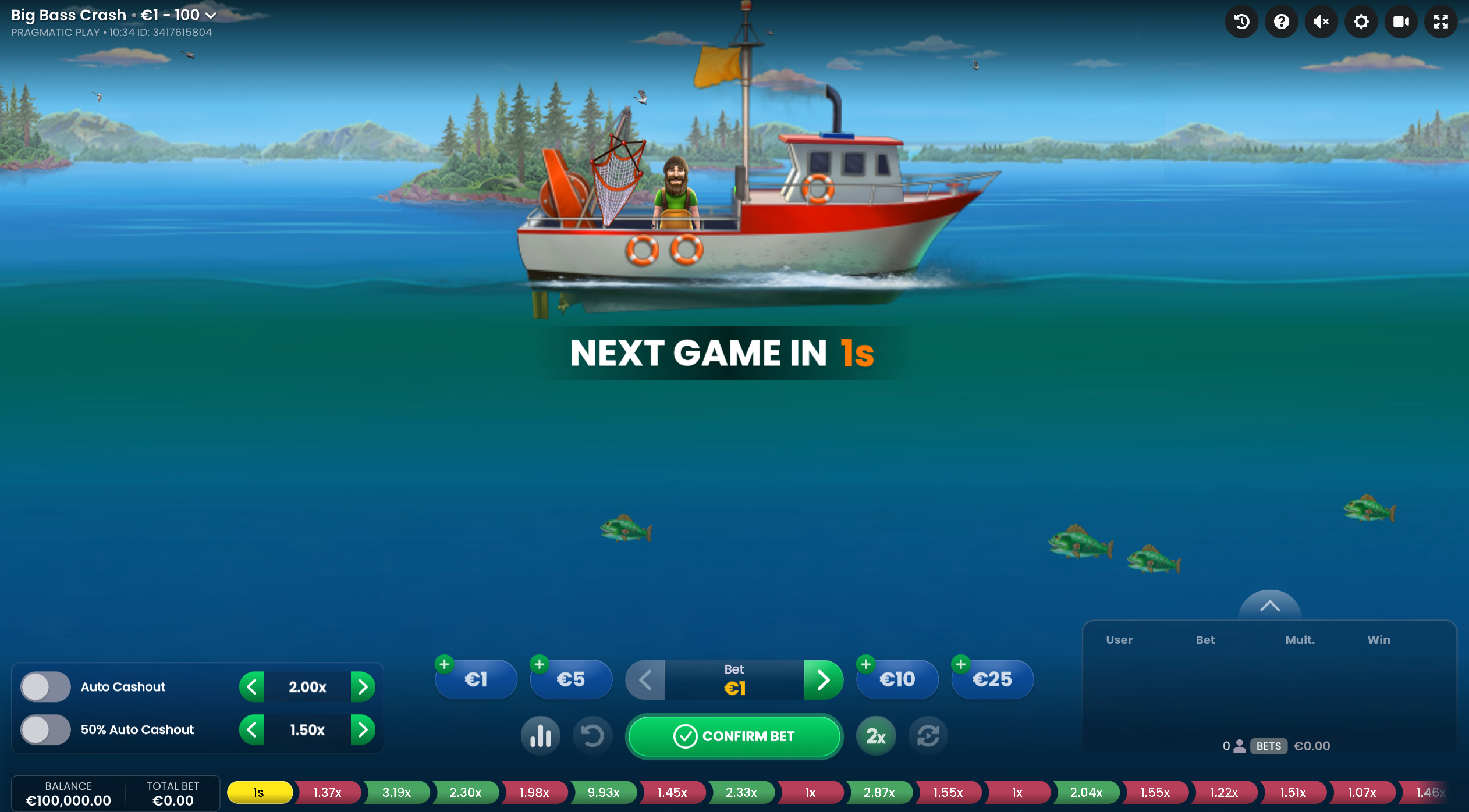
Typically, playing an online game in Canada can feel like a monologue. You receive a finished product. Your ideas go into a black hole. The Big Bass Crash team sought to change that feeling from the start. They created several easy ways for their Canadian community to be heard. They opened dedicated threads on big gaming forums. They organized social media campaigns to listen on platforms Canadians use. They even included a simple feedback tool inside the game itself, so players could share thoughts without stopping their session. The real trick wasn’t simply making these channels. It was making sure players knew they worked. Anyone who submitted feedback received an automatic confirmation that their message was received. Community managers regularly posted updates about what topics players were talking about most. This started a cycle. Players saw others getting a response, so they felt more comfortable sharing their own detailed ideas. They knew a person would read it, not just a computer ticket system.
Development Path: Collaboratively Building the Upcoming Major Features
The feedback project has evolved. It’s now a blueprint for jointly shaping what is next. The developers aren’t just solving problems anymore. They’re asking the Canadian community to help dream up new features. They employ polls and focused discussion groups to evaluate early concepts with players. Right now, the community is contributing ideas for new bonus round mechanics, social features for friendly competition, and unique seasonal events. One player concept for a ”Northern Pike” bonus mode is receiving real attention from the design team. Bringing players in at this early stage reduces risk. It stops the team from devoting time and money developing something players don’t actually want. This forward-looking collaboration guarantees the game evolves in a direction players appreciate. That’s how a game keeps its relevance and exciting in a market like Canada’s.
Ways to Provide Your Feedback Constructively
If you’re a Canadian player hoping to take part in this conversation, your method of giving feedback is important. Examining their approach, the suggestions that get action share a few things. They are specific and valuable. Refrain from just saying ”the game is boring.” Alternatively, consider something such as, ”After an hour, the wait between big wins loses my attention. Maybe a small visual reward every 10th cash-out would help.” Additionally, reflect on what’s achievable. Grand concepts are excellent, but suggestions that match the game’s existing mechanics frequently happen faster. To guarantee your input makes a difference, adhere to these steps:
- Employ the in-game feedback tool for fast bug reports or reactions during playing.
- Regarding bigger feature ideas, head to the official community forum. Check first to voice your agreement to related ideas, or create a detailed new topic.
- Outline the problem plainly. Where possible, propose a workable way to resolve it.
- Engage in official polls and surveys. The team employs this data straight to choose what to work on.
Think of it as a exchange. The developers have demonstrated they are paying attention. When you provide clear, insightful feedback, you help mold the game you enjoy.
The situation with Big Bass Crash in Canada illustrates what community-driven development can do. By creating real feedback channels, using a clear process to act on that input, and thoughtfully tailoring the experience for local players, the game has created a atmosphere of partnership. The enhancements to gameplay, localization, and communication are not just merely updates. They are the components that build trust and loyalty. In an industry where developers often come across as separate from their players, this open dialogue has achieved two things. It has turned the game improved, and it has created a loyal community that feels connected to the game’s success. By listening to its Canadian players, Big Bass Crash has discovered a way to last.